Vehicles Cleared Safely After Collision Events
Accident Recovery in Pensacola for vehicles involved in collisions, off-road incidents, or roadside crash situations
A collision leaves your vehicle undrivable in the middle of Highway 98 during afternoon traffic, and the scene needs to be cleared quickly while keeping everyone safe. 1st Response Roadside handles accident recovery in Pensacola using professional towing and recovery equipment designed to move damaged vehicles without causing additional harm to already compromised frames or suspension systems. Drivers dealing with collision aftermath, off-road rollovers, or vehicles struck while parked receive support that accounts for the specific damage patterns and structural vulnerabilities created by impact forces.
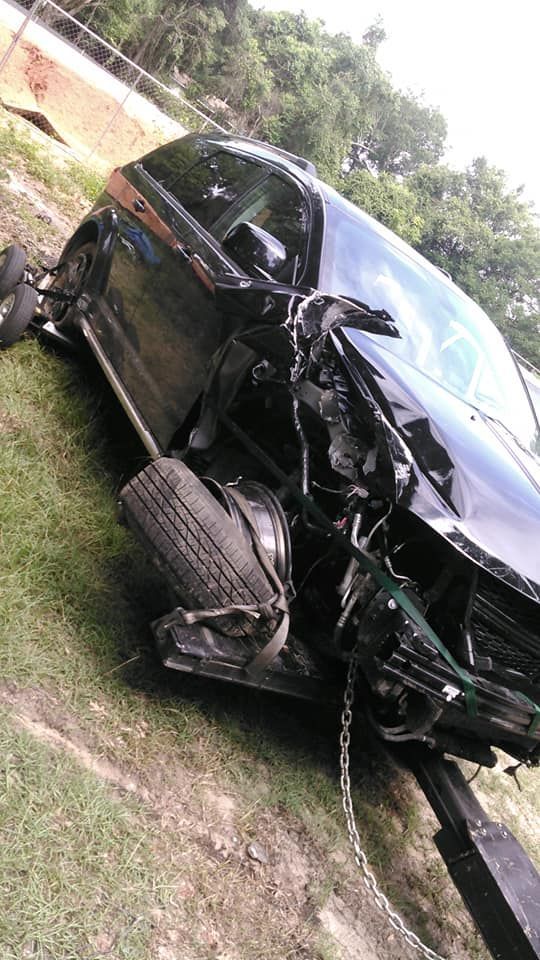
Recovery procedures adapt to what the collision actually damaged—whether that means securing a vehicle with front-end crush damage, stabilizing a car that left the roadway and ended up on soft shoulder terrain, or extracting a truck that took impact from the side and now sits at an angle that standard towing methods cannot safely accommodate. Gulf Coast weather conditions, including sudden rain that makes roadways slick and reduces visibility for passing traffic, affect how recovery teams approach scene safety and vehicle positioning during the loading process.
Arrange an on-site recovery evaluation to address your specific collision situation and vehicle transport needs.
What Proper Recovery Procedures Require
Recovery equipment selection depends on the type of collision damage your vehicle sustained and where it ended up after impact. Vehicles with frame damage, broken axles, or suspension collapse require flatbed loading rather than wheel-lift towing to prevent further structural harm during transport, while cars that left the roadway and landed in drainage ditches or sandy embankments need winching systems that can pull from multiple angles without destabilizing the vehicle further.
After recovery equipment secures your vehicle, the loading process clears the accident scene so traffic can resume and emergency responders can complete their work without an immobile vehicle blocking lanes or shoulders. You notice that damaged components no longer drag on pavement during transport, fluids that were leaking get contained to prevent road contamination, and your vehicle arrives at the repair facility or storage location in the same condition it left the accident scene without additional towing-related damage.
Coordination with law enforcement, insurance adjusters, and tow destination facilities happens during recovery operations, and drivers receive documentation showing where the vehicle was recovered from, what
equipment was used, and where it was transported. Some collision situations require multiple recovery vehicles when several cars are involved or when a single vehicle needs specialized extraction from a difficult position.
Questions Before Starting Your Recovery
Collision recovery situations vary significantly based on impact type, vehicle position, and roadway conditions, and these common questions address what drivers typically need to know when their vehicle requires professional accident recovery assistance.
What happens if my vehicle is blocking traffic lanes after a collision?
Recovery teams prioritize quick scene clearance on busy roadways like Interstate 10 and Gulf Breeze Parkway, using equipment that can load damaged vehicles rapidly while maintaining safety protocols for both the recovery crew and passing motorists.
How does recovery differ for vehicles that left the roadway versus those damaged in-lane?
Off-road recovery often requires winching systems to pull vehicles back onto pavement before loading can occur, while in-lane collision recovery focuses on immediate stabilization and flatbed loading to clear the travel lane as quickly as possible.
What should I do immediately after my vehicle becomes undrivable due to a collision?
Move to a safe location away from traffic if possible, contact emergency services if injuries occurred or roadway hazards exist, and request recovery assistance to remove your vehicle from the scene before it creates additional traffic risks.
Can recovery teams handle vehicles with severe structural damage from high-impact collisions?
Specialized recovery equipment manages vehicles with crushed frames, separated body panels, or wheels that no longer roll by using flatbed platforms and securing methods that distribute weight away from damaged components.
How do weather conditions affect accident recovery operations in Pensacola?
Rain, fog, and reduced visibility that frequently occur along coastal routes require additional safety measures during recovery, including extended warning zones, slower loading procedures, and coordination with traffic control to protect both recovery workers and passing drivers from secondary collision risks.
1st Response Roadside provides recovery support for collision situations throughout Pensacola, Mobile, Gulf Breeze, Milton, Robertsdale, and Foley when your vehicle needs professional extraction and transport after an accident. Schedule recovery assistance to address your specific collision damage and vehicle location circumstances.