Vehicles Transported Across Extended Regional Routes
Long Distance Towing in Pensacola for breakdown recovery, relocation transport, and non-running vehicle movement across Florida and Alabama
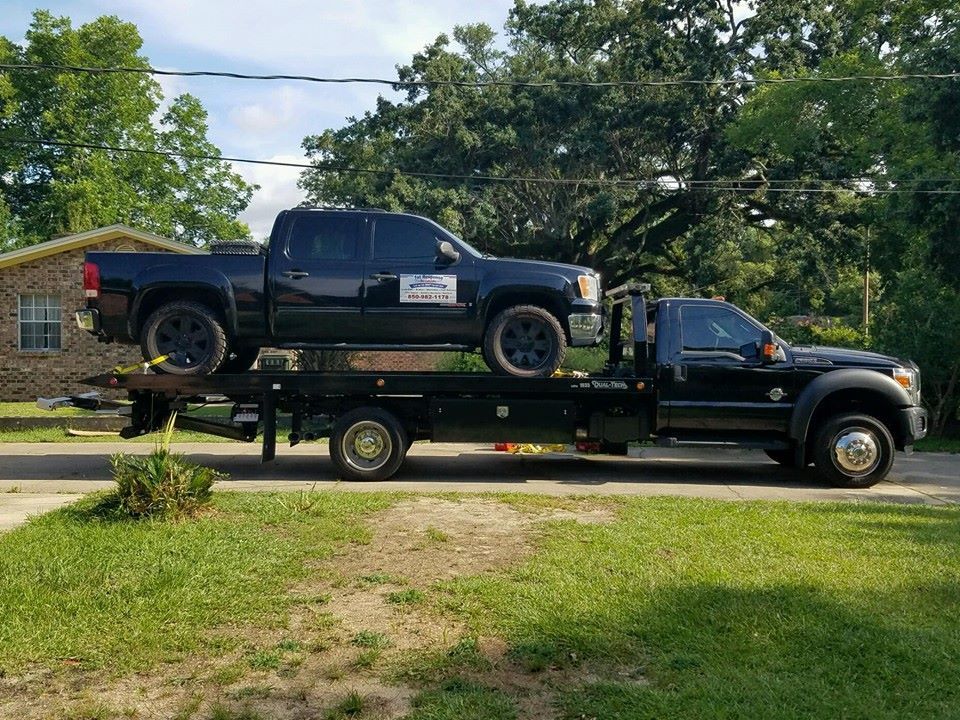
Long distance towing addresses situations where your vehicle needs to travel fifty miles or more but cannot make the trip under its own power due to mechanical failure, lack of registration, or purchase scenarios where the vehicle runs but driving it creates risk of additional damage to already-compromised systems. 1st Response Roadside handles long distance towing in Pensacola using professional transport equipment designed for extended highway travel, including flatbed carriers that eliminate drivetrain wear on non-running vehicles and wheel-lift systems appropriate for shorter-distance segments of longer transport routes. Vehicle owners relocating between Gulf Coast cities, dealerships moving inventory, and drivers who experienced breakdowns far from home repair facilities receive transport that accounts for Interstate 10 traffic patterns, Highway 98 coastal route conditions, and regional highway systems connecting Florida and Alabama.
Safe loading procedures for long distance transport secure vehicles using multiple tie-down points that prevent shifting during highway speeds, trailer sway on windy coastal stretches, and load movement during acceleration or braking that shorter local tows rarely encounter. Cars, trucks, motorcycles, commercial vehicles, and equipment each require specific securing methods—motorcycles need wheel chocks and soft ties to avoid finish damage, while trucks with lifted suspensions need extended ramps and modified tie-down angles to accommodate altered ride heights.
Schedule long distance transport coordination to discuss your specific vehicle type, current location, and destination requirements.
What Changes After Professional Transport Completes
Transport scheduling for long distance towing accounts for pickup windows, delivery timeframes, and any stops required for driver rest breaks on routes exceeding certain distances as regulated by commercial driving requirements. Communication during transport provides status updates when delays occur, confirms estimated arrival times as the vehicle approaches its destination, and coordinates with receiving parties at repair facilities, storage locations, or residential addresses where vehicles get delivered.
Once your vehicle arrives at its destination, you notice that mileage did not increase from the breakdown or pickup location, tire wear patterns remain unchanged from transport, and mechanical issues present when loading persist without new problems introduced by the towing process itself. Vehicles transported on flatbed carriers avoid the driveline rotation and potential transmission damage that can occur when non-running vehicles get towed with drive wheels on the ground, which matters particularly for all-wheel-drive systems and vehicles with locked transmissions or failed clutch components.
Benefits of professional long distance towing include reduced risk compared to attempting to drive a marginally-functional vehicle, documented transport for insurance or warranty purposes when breakdowns occur during travel, and predictable scheduling that allows repair facilities or buyers to plan for vehicle arrival. Some transport situations involve vehicles purchased at auction or through private sale that lack current registration or insurance coverage required for legal highway operation, making towing the appropriate movement method regardless of whether the vehicle runs.
Answers to Frequent Service Questions
Long distance vehicle transport involves logistical considerations beyond
local towing, and these questions address what vehicle owners typically need to understand when arranging transport across extended distances in the Gulf Coast region.
What distance qualifies as long distance towing versus local service?
Long distance transport typically begins at trips exceeding fifty miles and extends to multi-state routes, while local towing covers shorter distances within immediate metropolitan areas and nearby communities.
How does pricing work for long distance vehicle transport?
Transport costs generally calculate based on total mileage, vehicle type and weight, loading requirements for non-running vehicles versus drivable cars, and any special handling needed for modified or damaged vehicles that require additional securing methods.
Can long distance towing accommodate vehicles that are not currently drivable?
Flatbed transport handles non-running vehicles, cars with blown engines or failed transmissions, vehicles missing wheels or with suspended front ends from collision damage, and motorcycles or equipment that cannot be driven onto carriers without mechanical function.
What happens if weather conditions affect transport schedules on long distance routes?
Severe weather along Interstate 10 or coastal highways may delay transport for safety reasons, and communication keeps vehicle owners informed about revised arrival estimates when conditions require reduced speeds or temporary route holds until weather clears.
How should I prepare my vehicle for long distance towing?
Remove personal belongings and loose items from the interior and trunk, document existing vehicle condition with photos before transport begins, verify that the vehicle is accessible for pickup at the scheduled time, and provide keys along with any special loading instructions related to steering locks, parking brakes, or transmission positions.
1st Response Roadside coordinates long distance towing for personal vehicle owners, commercial fleet operators, and dealerships across Pensacola, Mobile, Gulf Breeze, Milton, Robertsdale, and Foley when vehicles need transport across Florida and Alabama. Arrange transport service to address your specific vehicle location, destination, and timeline needs.